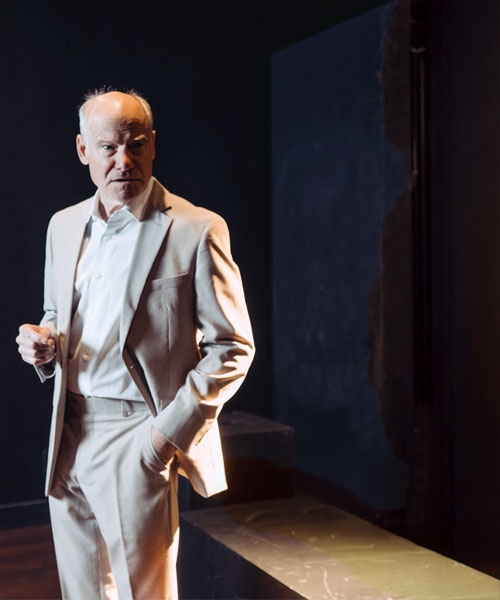
Doing the work is never a chore; it’s the very reason we do this—to act, to play, to create together. The real challenge lies in the wondering, the waiting, and the endless artistic or career paths that can seem to lead nowhere. We face critics, second-guessing, feedback, doubters, and the constant questions about our work or careers that seem unanswerable. These, not acting, are the slings and arrows of our profession.
Acting is fun, and our desire to act is never in question. What hinders us the most are incomplete or false techniques; misguided, manipulative, or domineering teachers and critics; and ineffective or unclear direction in our work or careers.
Many teachers and classes fail in what should be their primary duties: to train you in the facts of your art, free your unique expression, and equip you with the tools to build a viable career.
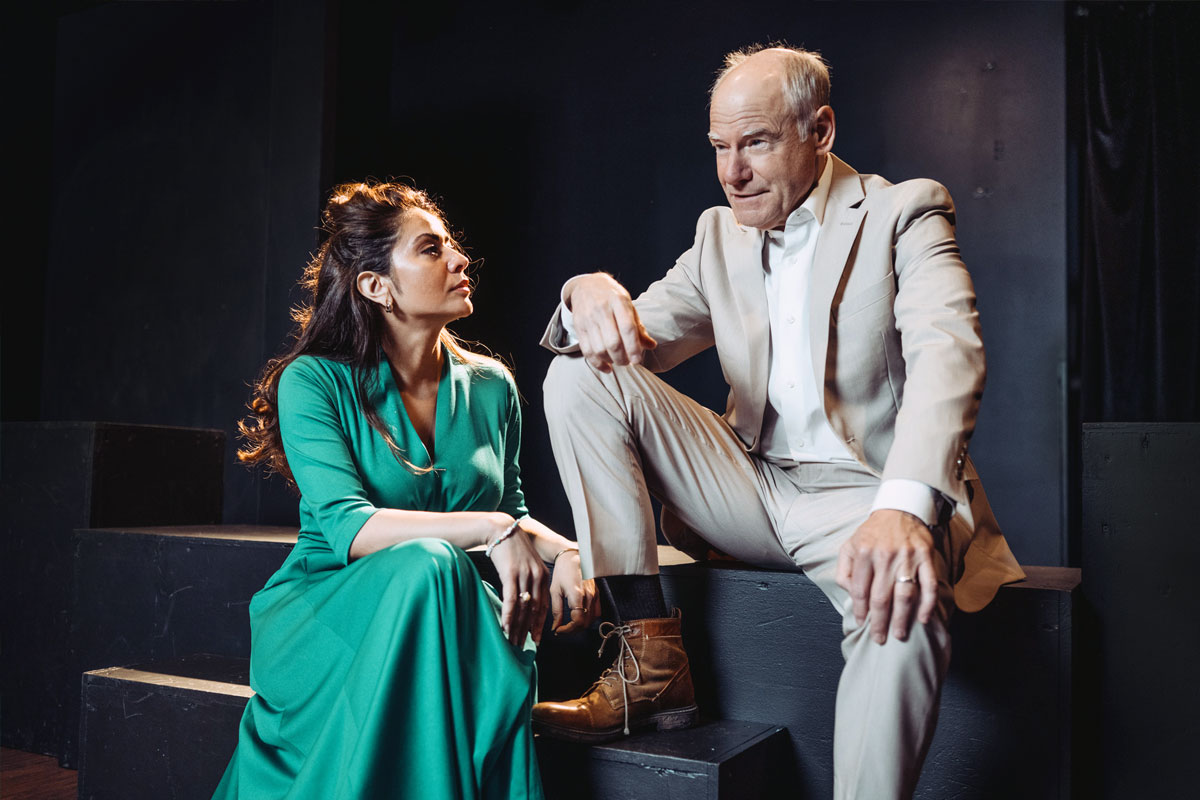
A Technique that Doesn’t Work Isn’t a Real Technique
We are often shackled to outdated “techniques” that mix teacher-centric storytelling, trauma-delving, constricting artistic opinions, and psychological manipulation. These old “famous” techniques are all rooted (or partially rooted) in the method Stanislavski’s pioneered and many of which were later proven ineffective by Stanislavski himself. He eventually realized and stated that many of these theories and approaches did not work, but instead often confused and even damaged actors. Successful actors who studied these methods succeeded in spite of them, not because of them. Many actors who continued to use these techniques were often artistically stunted, and some even suffered severe personal consequences.
Today, these outdated techniques are still offered in various forms to aspiring actors. Universities parrot a potpourri of these old methods without any single cohesive approach, leading to confusion and frustration.
The acting schools and classes of the world fall back on pointing to their few working students, while not even recognizing these students’ eventual dismissal of their teaching: “I studied what they told me, but in the end I had to find my own way.”
Further proof that the current approach to training actors is outdated was a recent widely cited UK study from Queen Mary University of London, which showed that 98% of actors in the UK can’t make a living, leading to many quitting altogether. At best these schools offer some historical exposure to differing acting methods, but with these kinds of results it’s hard to call it real professional training.
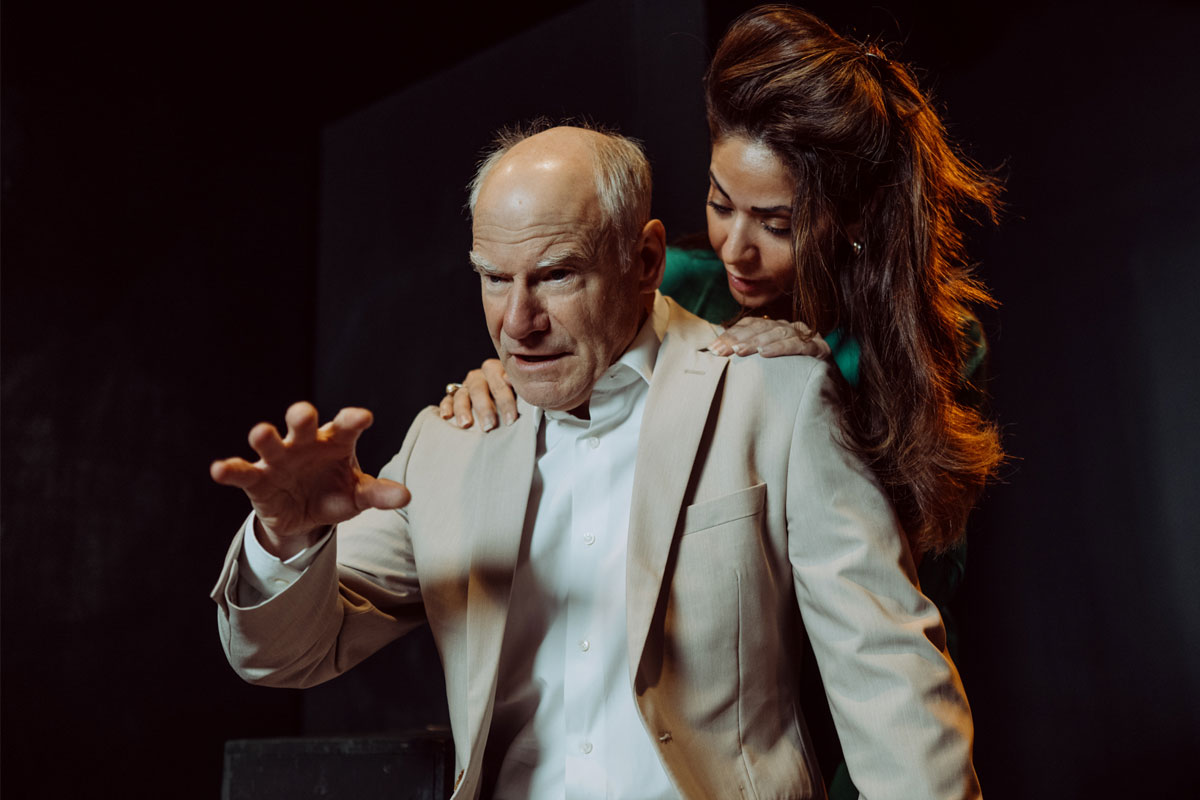
Imagine training engineers with conflicting approaches about math and physics—it would be a disaster.
While art is not a science like math or physics, there are stable, knowable facts in other art forms, such as music and dance. And it is true that every actor is different and may gravitate to one tool or approach or another at different times in their careers. And also that each role is different and may require different tools and skills to achieve it. In acting, however, what are the facts? What are the immutable laws and stable patterns that form the basis of the various tools and approaches? Could there be a unifying understanding of what this art form is, and a broad enough technique that universally works in this art form? And if there were, wouldn’t that give actors the most stability in their work and freedom in their explorations of it?
Acting Teachers Who Only Offer Opinions Aren’t Teachers
Today, acting teachers mostly impose their biases, tastes, and desires on students rather than teach them facts. In fact, many claim there are no facts about acting at all, simply because they don’t know them. They offer opinions, stories, and notes rather than clear, universal principles that can guide any actor’s work or career. These teachers act more like directors, offering shades and colors rather than real-world consistent tools.
For us working actors, this is the problem with professional acting classes, too. They tell you their way of seeing your approach and work is the “right way.” Or they claim that no one can tell you how to act, that it’s an unexplainable and exploratory process. And then they proceed to give their opinions and stories about how you “should” do your work or spend time making you doubt how you think about it. They retain a teacher-centric model, questioning what you do, or pretending to support you while getting you to talk, think, and ponder your work until you lose sight of what acting truly is and what you loved about it in the first place.
It turns out this is complete nonsense. There are indeed definitive answers, immutable laws, and patterns to all great acting, and it doesn’t take someone else to question you or tell you what to think about it. You can study them and try them out for yourself and learn to use them in all the various ways possible.
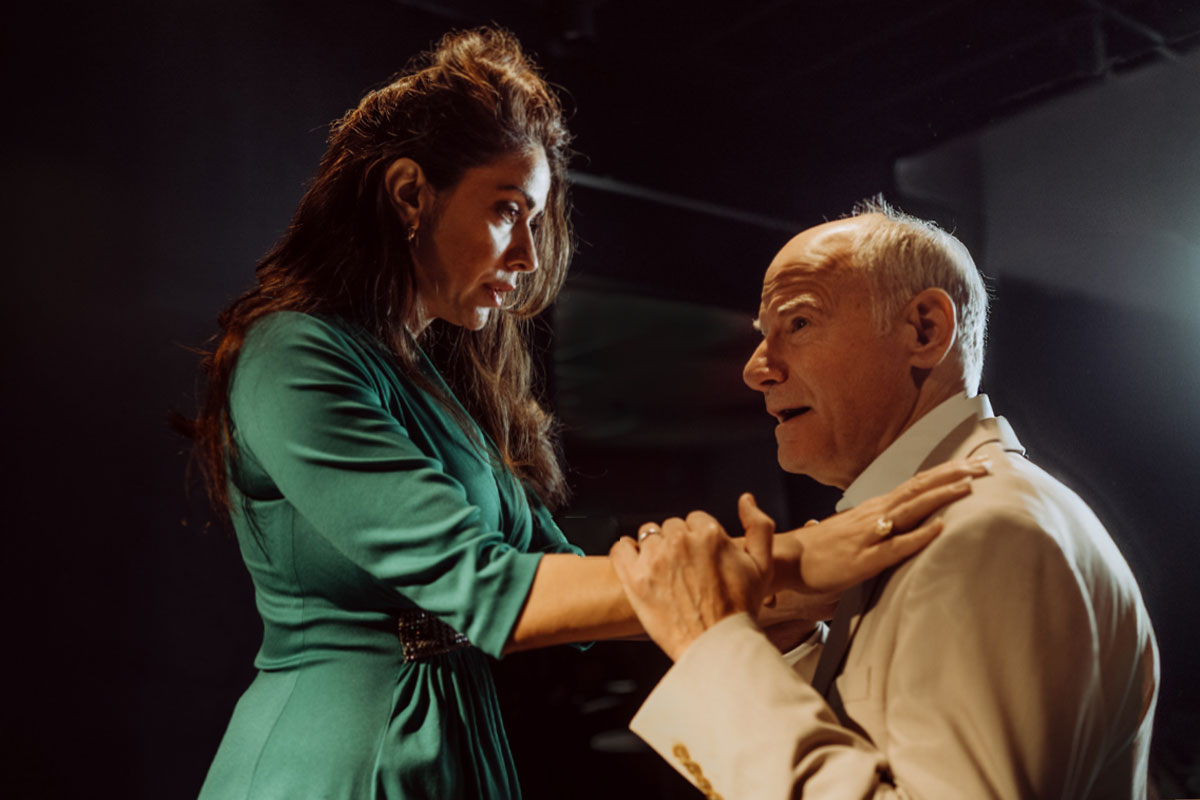
An Evidence-based Approach to Professional Acting Training
The real questions are: What is acting? How do you act? How do you do it really well and consistently? How do you create performances that are irresistible? How do you perform so well that people want to pay you for it? And how do you use all this knowledge and skill to grow your true artistic potential and freedom of expression?
We’ve done decades of research, testing and development on just this. It’s time. Let’s clear away the confused techniques and false starts. Let’s eliminate authoritarian “teachers” who are really just pretending to be directors. Let’s free ourselves from the addiction to feedback and criticism. Let’s build our confidence and skills, reinvigorate our imagination, and create the kind of work that makes us irresistible and builds our careers. Let’s do this by getting up and acting.
Our classes are filled with real tangible information and lots of acting, with rehearsals, with performances – not sitting, talking, pondering, and waiting. Our careers are moved forward by doing so much new work and gaining so much new confidence that we can’t wait to show it to people. They see it and are irresistibly drawn to represent us, hire us, and become fans of our work. The thing we love to do is the thing that makes our careers grow – acting.
More acting is the answer to acting problems. Sometimes it also means learning, exploring, and strengthening certain skills, and getting rid of the complications other teachers and techniques have added to the art of acting. The fundamentals of acting are rather simple to understand. We can then act more simply, more fully, and more freely. But even this is accomplished with lots of acting.
Demand real answers, not vague analogies. Demand real teachers, not closet directors or “lords of their classrooms”. Act more. Talk less.
We love to act. Acting is our superpower. Acting is what they will hire and watch. If we keep acting, we will succeed. We will act.
P.S. Your creativity is yours; keep it free from the encumbrances and complications of others.
Acting involves your mind, heart, and soul, but that doesn’t give teachers the right to invade, question, or manipulate these things. A teacher’s role is to give you the facts of the subject, demonstrate their importance relative to the other facts of the subject, show how they’re used, and get you to get up and try them, test them, stretch them, and see how they apply to your actual work. The inner world of your own creativity is yours alone. Share with collaborators as you like, but don’t let anyone (especially someone claiming to be a teacher) question your ideas, instincts, or creativity. Act without creative restraint.Doing the work is never a chore; it’s the very reason we do this—to act, to play, to create together. The real challenge lies in the wondering, the waiting, and the endless artistic or career paths that can seem to lead nowhere. We face critics, second-guessing, feedback, doubters, and the constant questions about our work or careers that seem unanswerable. These, not acting, are the slings and arrows of our profession.
Acting is fun, and our desire to act is never in question. What hinders us the most are incomplete or false techniques; misguided, manipulative, or domineering teachers and critics; and ineffective or unclear direction in our work or careers.
Many teachers and classes fail in what should be their primary duties: to train you in the facts of your art, free your unique expression, and equip you with the tools to build a viable career.
A Technique that Doesn’t Work Isn’t a Real Technique
We are often shackled to outdated “techniques” that mix teacher-centric storytelling, trauma-delving, constricting artistic opinions, and psychological manipulation. These old “famous” techniques are all rooted (or partially rooted) in the method Stanislavski’s pioneered and many of which were later proven ineffective by Stanislavski himself. He eventually realized and stated that many of these theories and approaches did not work, but instead often confused and even damaged actors. Successful actors who studied these methods succeeded in spite of them, not because of them. Many actors who continued to use these techniques were often artistically stunted, and some even suffered severe personal consequences.
Today, these outdated techniques are still offered in various forms to aspiring actors. Universities parrot a potpourri of these old methods without any single cohesive approach, leading to confusion and frustration.
The acting schools and classes of the world fall back on pointing to their few working students, while not even recognizing these students’ eventual dismissal of their teaching: “I studied what they told me, but in the end I had to find my own way.”
Further proof that the current approach to training actors is outdated was a recent widely cited UK study from Queen Mary University of London, which showed that 98% of actors in the UK can’t make a living, leading to many quitting altogether. At best these schools offer some historical exposure to differing acting methods, but with these kinds of results it’s hard to call it real professional training.
Imagine training engineers with conflicting approaches about math and physics—it would be a disaster.
While art is not a science like math or physics, there are stable, knowable facts in other art forms, such as music and dance. And it is true that every actor is different and may gravitate to one tool or approach or another at different times in their careers. And also that each role is different and may require different tools and skills to achieve it. In acting, however, what are the facts? What are the immutable laws and stable patterns that form the basis of the various tools and approaches? Could there be a unifying understanding of what this art form is, and a broad enough technique that universally works in this art form? And if there were, wouldn’t that give actors the most stability in their work and freedom in their explorations of it?
Acting Teachers Who Only Offer Opinions Aren’t Teachers
Today, acting teachers mostly impose their biases, tastes, and desires on students rather than teach them facts. In fact, many claim there are no facts about acting at all, simply because they don’t know them. They offer opinions, stories, and notes rather than clear, universal principles that can guide any actor’s work or career. These teachers act more like directors, offering shades and colors rather than real-world consistent tools.
For us working actors, this is the problem with professional acting classes, too. They tell you their way of seeing your approach and work is the “right way.” Or they claim that no one can tell you how to act, that it’s an unexplainable and exploratory process. And then they proceed to give their opinions and stories about how you “should” do your work or spend time making you doubt how you think about it. They retain a teacher-centric model, questioning what you do, or pretending to support you while getting you to talk, think, and ponder your work until you lose sight of what acting truly is and what you loved about it in the first place.
It turns out this is complete nonsense. There are indeed definitive answers, immutable laws, and patterns to all great acting, and it doesn’t take someone else to question you or tell you what to think about it. You can study them and try them out for yourself and learn to use them in all the various ways possible.
An Evidence-based Approach to Professional Acting Training
The real questions are: What is acting? How do you act? How do you do it really well and consistently? How do you create performances that are irresistible? How do you perform so well that people want to pay you for it? And how do you use all this knowledge and skill to grow your true artistic potential and freedom of expression?
We’ve done decades of research, testing and development on just this. It’s time. Let’s clear away the confused techniques and false starts. Let’s eliminate authoritarian “teachers” who are really just pretending to be directors. Let’s free ourselves from the addiction to feedback and criticism. Let’s build our confidence and skills, reinvigorate our imagination, and create the kind of work that makes us irresistible and builds our careers. Let’s do this by getting up and acting.
Our classes are filled with real tangible information and lots of acting, with rehearsals, with performances – not sitting, talking, pondering, and waiting. Our careers are moved forward by doing so much new work and gaining so much new confidence that we can’t wait to show it to people. They see it and are irresistibly drawn to represent us, hire us, and become fans of our work. The thing we love to do is the thing that makes our careers grow – acting.
More acting is the answer to acting problems. Sometimes it also means learning, exploring, and strengthening certain skills, and getting rid of the complications other teachers and techniques have added to the art of acting. The fundamentals of acting are rather simple to understand. We can then act more simply, more fully, and more freely. But even this is accomplished with lots of acting.
Demand real answers, not vague analogies. Demand real teachers, not closet directors or “lords of their classrooms”. Act more. Talk less.
We love to act. Acting is our superpower. Acting is what they will hire and watch. If we keep acting, we will succeed. We will act.
P.S. Your creativity is yours; keep it free from the encumbrances and complications of others.
Acting involves your mind, heart, and soul, but that doesn’t give teachers the right to invade, question, or manipulate these things. A teacher’s role is to give you the facts of the subject, demonstrate their importance relative to the other facts of the subject, show how they’re used, and get you to get up and try them, test them, stretch them, and see how they apply to your actual work. The inner world of your own creativity is yours alone. Share with collaborators as you like, but don’t let anyone (especially someone claiming to be a teacher) question your ideas, instincts, or creativity. Act without creative restraint.Doing the work is never a chore; it’s the very reason we do this—to act, to play, to create together. The real challenge lies in the wondering, the waiting, and the endless artistic or career paths that can seem to lead nowhere. We face critics, second-guessing, feedback, doubters, and the constant questions about our work or careers that seem unanswerable. These, not acting, are the slings and arrows of our profession.
Acting is fun, and our desire to act is never in question. What hinders us the most are incomplete or false techniques; misguided, manipulative, or domineering teachers and critics; and ineffective or unclear direction in our work or careers.
Many teachers and classes fail in what should be their primary duties: to train you in the facts of your art, free your unique expression, and equip you with the tools to build a viable career.
A Technique that Doesn’t Work Isn’t a Real Technique
We are often shackled to outdated “techniques” that mix teacher-centric storytelling, trauma-delving, constricting artistic opinions, and psychological manipulation. These old “famous” techniques are all rooted (or partially rooted) in the method Stanislavski’s pioneered and many of which were later proven ineffective by Stanislavski himself. He eventually realized and stated that many of these theories and approaches did not work, but instead often confused and even damaged actors. Successful actors who studied these methods succeeded in spite of them, not because of them. Many actors who continued to use these techniques were often artistically stunted, and some even suffered severe personal consequences.
Today, these outdated techniques are still offered in various forms to aspiring actors. Universities parrot a potpourri of these old methods without any single cohesive approach, leading to confusion and frustration.
The acting schools and classes of the world fall back on pointing to their few working students, while not even recognizing these students’ eventual dismissal of their teaching: “I studied what they told me, but in the end I had to find my own way.”
Further proof that the current approach to training actors is outdated was a recent widely cited UK study from Queen Mary University of London, which showed that 98% of actors in the UK can’t make a living, leading to many quitting altogether. At best these schools offer some historical exposure to differing acting methods, but with these kinds of results it’s hard to call it real professional training.
Imagine training engineers with conflicting approaches about math and physics—it would be a disaster.
While art is not a science like math or physics, there are stable, knowable facts in other art forms, such as music and dance. And it is true that every actor is different and may gravitate to one tool or approach or another at different times in their careers. And also that each role is different and may require different tools and skills to achieve it. In acting, however, what are the facts? What are the immutable laws and stable patterns that form the basis of the various tools and approaches? Could there be a unifying understanding of what this art form is, and a broad enough technique that universally works in this art form? And if there were, wouldn’t that give actors the most stability in their work and freedom in their explorations of it?
Acting Teachers Who Only Offer Opinions Aren’t Teachers
Today, acting teachers mostly impose their biases, tastes, and desires on students rather than teach them facts. In fact, many claim there are no facts about acting at all, simply because they don’t know them. They offer opinions, stories, and notes rather than clear, universal principles that can guide any actor’s work or career. These teachers act more like directors, offering shades and colors rather than real-world consistent tools.
For us working actors, this is the problem with professional acting classes, too. They tell you their way of seeing your approach and work is the “right way.” Or they claim that no one can tell you how to act, that it’s an unexplainable and exploratory process. And then they proceed to give their opinions and stories about how you “should” do your work or spend time making you doubt how you think about it. They retain a teacher-centric model, questioning what you do, or pretending to support you while getting you to talk, think, and ponder your work until you lose sight of what acting truly is and what you loved about it in the first place.
It turns out this is complete nonsense. There are indeed definitive answers, immutable laws, and patterns to all great acting, and it doesn’t take someone else to question you or tell you what to think about it. You can study them and try them out for yourself and learn to use them in all the various ways possible.
An Evidence-based Approach to Professional Acting Training
The real questions are: What is acting? How do you act? How do you do it really well and consistently? How do you create performances that are irresistible? How do you perform so well that people want to pay you for it? And how do you use all this knowledge and skill to grow your true artistic potential and freedom of expression?
We’ve done decades of research, testing and development on just this. It’s time. Let’s clear away the confused techniques and false starts. Let’s eliminate authoritarian “teachers” who are really just pretending to be directors. Let’s free ourselves from the addiction to feedback and criticism. Let’s build our confidence and skills, reinvigorate our imagination, and create the kind of work that makes us irresistible and builds our careers. Let’s do this by getting up and acting.
Our classes are filled with real tangible information and lots of acting, with rehearsals, with performances – not sitting, talking, pondering, and waiting. Our careers are moved forward by doing so much new work and gaining so much new confidence that we can’t wait to show it to people. They see it and are irresistibly drawn to represent us, hire us, and become fans of our work. The thing we love to do is the thing that makes our careers grow – acting.
More acting is the answer to acting problems. Sometimes it also means learning, exploring, and strengthening certain skills, and getting rid of the complications other teachers and techniques have added to the art of acting. The fundamentals of acting are rather simple to understand. We can then act more simply, more fully, and more freely. But even this is accomplished with lots of acting.
Demand real answers, not vague analogies. Demand real teachers, not closet directors or “lords of their classrooms”. Act more. Talk less.
We love to act. Acting is our superpower. Acting is what they will hire and watch. If we keep acting, we will succeed. We will act.
P.S. Your creativity is yours; keep it free from the encumbrances and complications of others.
Acting involves your mind, heart, and soul, but that doesn’t give teachers the right to invade, question, or manipulate these things. A teacher’s role is to give you the facts of the subject, demonstrate their importance relative to the other facts of the subject, show how they’re used, and get you to get up and try them, test them, stretch them, and see how they apply to your actual work. The inner world of your own creativity is yours alone. Share with collaborators as you like, but don’t let anyone (especially someone claiming to be a teacher) question your ideas, instincts, or creativity. Act without creative restraint.Doing the work is never a chore; it’s the very reason we do this—to act, to play, to create together. The real challenge lies in the wondering, the waiting, and the endless artistic or career paths that can seem to lead nowhere. We face critics, second-guessing, feedback, doubters, and the constant questions about our work or careers that seem unanswerable. These, not acting, are the slings and arrows of our profession.
Acting is fun, and our desire to act is never in question. What hinders us the most are incomplete or false techniques; misguided, manipulative, or domineering teachers and critics; and ineffective or unclear direction in our work or careers.
Many teachers and classes fail in what should be their primary duties: to train you in the facts of your art, free your unique expression, and equip you with the tools to build a viable career.
A Technique that Doesn’t Work Isn’t a Real Technique
We are often shackled to outdated “techniques” that mix teacher-centric storytelling, trauma-delving, constricting artistic opinions, and psychological manipulation. These old “famous” techniques are all rooted (or partially rooted) in the method Stanislavski’s pioneered and many of which were later proven ineffective by Stanislavski himself. He eventually realized and stated that many of these theories and approaches did not work, but instead often confused and even damaged actors. Successful actors who studied these methods succeeded in spite of them, not because of them. Many actors who continued to use these techniques were often artistically stunted, and some even suffered severe personal consequences.
Today, these outdated techniques are still offered in various forms to aspiring actors. Universities parrot a potpourri of these old methods without any single cohesive approach, leading to confusion and frustration.
The acting schools and classes of the world fall back on pointing to their few working students, while not even recognizing these students’ eventual dismissal of their teaching: “I studied what they told me, but in the end I had to find my own way.”
Further proof that the current approach to training actors is outdated was a recent widely cited UK study from Queen Mary University of London, which showed that 98% of actors in the UK can’t make a living, leading to many quitting altogether. At best these schools offer some historical exposure to differing acting methods, but with these kinds of results it’s hard to call it real professional training.
Imagine training engineers with conflicting approaches about math and physics—it would be a disaster.
While art is not a science like math or physics, there are stable, knowable facts in other art forms, such as music and dance. And it is true that every actor is different and may gravitate to one tool or approach or another at different times in their careers. And also that each role is different and may require different tools and skills to achieve it. In acting, however, what are the facts? What are the immutable laws and stable patterns that form the basis of the various tools and approaches? Could there be a unifying understanding of what this art form is, and a broad enough technique that universally works in this art form? And if there were, wouldn’t that give actors the most stability in their work and freedom in their explorations of it?
Acting Teachers Who Only Offer Opinions Aren’t Teachers
Today, acting teachers mostly impose their biases, tastes, and desires on students rather than teach them facts. In fact, many claim there are no facts about acting at all, simply because they don’t know them. They offer opinions, stories, and notes rather than clear, universal principles that can guide any actor’s work or career. These teachers act more like directors, offering shades and colors rather than real-world consistent tools.
For us working actors, this is the problem with professional acting classes, too. They tell you their way of seeing your approach and work is the “right way.” Or they claim that no one can tell you how to act, that it’s an unexplainable and exploratory process. And then they proceed to give their opinions and stories about how you “should” do your work or spend time making you doubt how you think about it. They retain a teacher-centric model, questioning what you do, or pretending to support you while getting you to talk, think, and ponder your work until you lose sight of what acting truly is and what you loved about it in the first place.
It turns out this is complete nonsense. There are indeed definitive answers, immutable laws, and patterns to all great acting, and it doesn’t take someone else to question you or tell you what to think about it. You can study them and try them out for yourself and learn to use them in all the various ways possible.
An Evidence-based Approach to Professional Acting Training
The real questions are: What is acting? How do you act? How do you do it really well and consistently? How do you create performances that are irresistible? How do you perform so well that people want to pay you for it? And how do you use all this knowledge and skill to grow your true artistic potential and freedom of expression?
We’ve done decades of research, testing and development on just this. It’s time. Let’s clear away the confused techniques and false starts. Let’s eliminate authoritarian “teachers” who are really just pretending to be directors. Let’s free ourselves from the addiction to feedback and criticism. Let’s build our confidence and skills, reinvigorate our imagination, and create the kind of work that makes us irresistible and builds our careers. Let’s do this by getting up and acting.
Our classes are filled with real tangible information and lots of acting, with rehearsals, with performances – not sitting, talking, pondering, and waiting. Our careers are moved forward by doing so much new work and gaining so much new confidence that we can’t wait to show it to people. They see it and are irresistibly drawn to represent us, hire us, and become fans of our work. The thing we love to do is the thing that makes our careers grow – acting.
More acting is the answer to acting problems. Sometimes it also means learning, exploring, and strengthening certain skills, and getting rid of the complications other teachers and techniques have added to the art of acting. The fundamentals of acting are rather simple to understand. We can then act more simply, more fully, and more freely. But even this is accomplished with lots of acting.
Demand real answers, not vague analogies. Demand real teachers, not closet directors or “lords of their classrooms”. Act more. Talk less.
We love to act. Acting is our superpower. Acting is what they will hire and watch. If we keep acting, we will succeed. We will act.
P.S. Your creativity is yours; keep it free from the encumbrances and complications of others.
Acting involves your mind, heart, and soul, but that doesn’t give teachers the right to invade, question, or manipulate these things. A teacher’s role is to give you the facts of the subject, demonstrate their importance relative to the other facts of the subject, show how they’re used, and get you to get up and try them, test them, stretch them, and see how they apply to your actual work. The inner world of your own creativity is yours alone. Share with collaborators as you like, but don’t let anyone (especially someone claiming to be a teacher) question your ideas, instincts, or creativity. Act without creative restraint.Doing the work is never a chore; it’s the very reason we do this—to act, to play, to create together. The real challenge lies in the wondering, the waiting, and the endless artistic or career paths that can seem to lead nowhere. We face critics, second-guessing, feedback, doubters, and the constant questions about our work or careers that seem unanswerable. These, not acting, are the slings and arrows of our profession.
Acting is fun, and our desire to act is never in question. What hinders us the most are incomplete or false techniques; misguided, manipulative, or domineering teachers and critics; and ineffective or unclear direction in our work or careers.
Many teachers and classes fail in what should be their primary duties: to train you in the facts of your art, free your unique expression, and equip you with the tools to build a viable career.
A Technique that Doesn’t Work Isn’t a Real Technique
We are often shackled to outdated “techniques” that mix teacher-centric storytelling, trauma-delving, constricting artistic opinions, and psychological manipulation. These old “famous” techniques are all rooted (or partially rooted) in the method Stanislavski’s pioneered and many of which were later proven ineffective by Stanislavski himself. He eventually realized and stated that many of these theories and approaches did not work, but instead often confused and even damaged actors. Successful actors who studied these methods succeeded in spite of them, not because of them. Many actors who continued to use these techniques were often artistically stunted, and some even suffered severe personal consequences.
Today, these outdated techniques are still offered in various forms to aspiring actors. Universities parrot a potpourri of these old methods without any single cohesive approach, leading to confusion and frustration.
The acting schools and classes of the world fall back on pointing to their few working students, while not even recognizing these students’ eventual dismissal of their teaching: “I studied what they told me, but in the end I had to find my own way.”
Further proof that the current approach to training actors is outdated was a recent widely cited UK study from Queen Mary University of London, which showed that 98% of actors in the UK can’t make a living, leading to many quitting altogether. At best these schools offer some historical exposure to differing acting methods, but with these kinds of results it’s hard to call it real professional training.
Imagine training engineers with conflicting approaches about math and physics—it would be a disaster.
While art is not a science like math or physics, there are stable, knowable facts in other art forms, such as music and dance. And it is true that every actor is different and may gravitate to one tool or approach or another at different times in their careers. And also that each role is different and may require different tools and skills to achieve it. In acting, however, what are the facts? What are the immutable laws and stable patterns that form the basis of the various tools and approaches? Could there be a unifying understanding of what this art form is, and a broad enough technique that universally works in this art form? And if there were, wouldn’t that give actors the most stability in their work and freedom in their explorations of it?
Acting Teachers Who Only Offer Opinions Aren’t Teachers
Today, acting teachers mostly impose their biases, tastes, and desires on students rather than teach them facts. In fact, many claim there are no facts about acting at all, simply because they don’t know them. They offer opinions, stories, and notes rather than clear, universal principles that can guide any actor’s work or career. These teachers act more like directors, offering shades and colors rather than real-world consistent tools.
For us working actors, this is the problem with professional acting classes, too. They tell you their way of seeing your approach and work is the “right way.” Or they claim that no one can tell you how to act, that it’s an unexplainable and exploratory process. And then they proceed to give their opinions and stories about how you “should” do your work or spend time making you doubt how you think about it. They retain a teacher-centric model, questioning what you do, or pretending to support you while getting you to talk, think, and ponder your work until you lose sight of what acting truly is and what you loved about it in the first place.
It turns out this is complete nonsense. There are indeed definitive answers, immutable laws, and patterns to all great acting, and it doesn’t take someone else to question you or tell you what to think about it. You can study them and try them out for yourself and learn to use them in all the various ways possible.
An Evidence-based Approach to Professional Acting Training
The real questions are: What is acting? How do you act? How do you do it really well and consistently? How do you create performances that are irresistible? How do you perform so well that people want to pay you for it? And how do you use all this knowledge and skill to grow your true artistic potential and freedom of expression?
We’ve done decades of research, testing and development on just this. It’s time. Let’s clear away the confused techniques and false starts. Let’s eliminate authoritarian “teachers” who are really just pretending to be directors. Let’s free ourselves from the addiction to feedback and criticism. Let’s build our confidence and skills, reinvigorate our imagination, and create the kind of work that makes us irresistible and builds our careers. Let’s do this by getting up and acting.
Our classes are filled with real tangible information and lots of acting, with rehearsals, with performances – not sitting, talking, pondering, and waiting. Our careers are moved forward by doing so much new work and gaining so much new confidence that we can’t wait to show it to people. They see it and are irresistibly drawn to represent us, hire us, and become fans of our work. The thing we love to do is the thing that makes our careers grow – acting.
More acting is the answer to acting problems. Sometimes it also means learning, exploring, and strengthening certain skills, and getting rid of the complications other teachers and techniques have added to the art of acting. The fundamentals of acting are rather simple to understand. We can then act more simply, more fully, and more freely. But even this is accomplished with lots of acting.
Demand real answers, not vague analogies. Demand real teachers, not closet directors or “lords of their classrooms”. Act more. Talk less.
We love to act. Acting is our superpower. Acting is what they will hire and watch. If we keep acting, we will succeed. We will act.
P.S. Your creativity is yours; keep it free from the encumbrances and complications of others.
Acting involves your mind, heart, and soul, but that doesn’t give teachers the right to invade, question, or manipulate these things. A teacher’s role is to give you the facts of the subject, demonstrate their importance relative to the other facts of the subject, show how they’re used, and get you to get up and try them, test them, stretch them, and see how they apply to your actual work. The inner world of your own creativity is yours alone. Share with collaborators as you like, but don’t let anyone (especially someone claiming to be a teacher) question your ideas, instincts, or creativity. Act without creative restraint.Doing the work is never a chore; it’s the very reason we do this—to act, to play, to create together. The real challenge lies in the wondering, the waiting, and the endless artistic or career paths that can seem to lead nowhere. We face critics, second-guessing, feedback, doubters, and the constant questions about our work or careers that seem unanswerable. These, not acting, are the slings and arrows of our profession.
Acting is fun, and our desire to act is never in question. What hinders us the most are incomplete or false techniques; misguided, manipulative, or domineering teachers and critics; and ineffective or unclear direction in our work or careers.
Many teachers and classes fail in what should be their primary duties: to train you in the facts of your art, free your unique expression, and equip you with the tools to build a viable career.
A Technique that Doesn’t Work Isn’t a Real Technique
We are often shackled to outdated “techniques” that mix teacher-centric storytelling, trauma-delving, constricting artistic opinions, and psychological manipulation. These old “famous” techniques are all rooted (or partially rooted) in the method Stanislavski’s pioneered and many of which were later proven ineffective by Stanislavski himself. He eventually realized and stated that many of these theories and approaches did not work, but instead often confused and even damaged actors. Successful actors who studied these methods succeeded in spite of them, not because of them. Many actors who continued to use these techniques were often artistically stunted, and some even suffered severe personal consequences.
Today, these outdated techniques are still offered in various forms to aspiring actors. Universities parrot a potpourri of these old methods without any single cohesive approach, leading to confusion and frustration.
The acting schools and classes of the world fall back on pointing to their few working students, while not even recognizing these students’ eventual dismissal of their teaching: “I studied what they told me, but in the end I had to find my own way.”
Further proof that the current approach to training actors is outdated was a recent widely cited UK study from Queen Mary University of London, which showed that 98% of actors in the UK can’t make a living, leading to many quitting altogether. At best these schools offer some historical exposure to differing acting methods, but with these kinds of results it’s hard to call it real professional training.
Imagine training engineers with conflicting approaches about math and physics—it would be a disaster.
While art is not a science like math or physics, there are stable, knowable facts in other art forms, such as music and dance. And it is true that every actor is different and may gravitate to one tool or approach or another at different times in their careers. And also that each role is different and may require different tools and skills to achieve it. In acting, however, what are the facts? What are the immutable laws and stable patterns that form the basis of the various tools and approaches? Could there be a unifying understanding of what this art form is, and a broad enough technique that universally works in this art form? And if there were, wouldn’t that give actors the most stability in their work and freedom in their explorations of it?
Acting Teachers Who Only Offer Opinions Aren’t Teachers
Today, acting teachers mostly impose their biases, tastes, and desires on students rather than teach them facts. In fact, many claim there are no facts about acting at all, simply because they don’t know them. They offer opinions, stories, and notes rather than clear, universal principles that can guide any actor’s work or career. These teachers act more like directors, offering shades and colors rather than real-world consistent tools.
For us working actors, this is the problem with professional acting classes, too. They tell you their way of seeing your approach and work is the “right way.” Or they claim that no one can tell you how to act, that it’s an unexplainable and exploratory process. And then they proceed to give their opinions and stories about how you “should” do your work or spend time making you doubt how you think about it. They retain a teacher-centric model, questioning what you do, or pretending to support you while getting you to talk, think, and ponder your work until you lose sight of what acting truly is and what you loved about it in the first place.
It turns out this is complete nonsense. There are indeed definitive answers, immutable laws, and patterns to all great acting, and it doesn’t take someone else to question you or tell you what to think about it. You can study them and try them out for yourself and learn to use them in all the various ways possible.
An Evidence-based Approach to Professional Acting Training
The real questions are: What is acting? How do you act? How do you do it really well and consistently? How do you create performances that are irresistible? How do you perform so well that people want to pay you for it? And how do you use all this knowledge and skill to grow your true artistic potential and freedom of expression?
We’ve done decades of research, testing and development on just this. It’s time. Let’s clear away the confused techniques and false starts. Let’s eliminate authoritarian “teachers” who are really just pretending to be directors. Let’s free ourselves from the addiction to feedback and criticism. Let’s build our confidence and skills, reinvigorate our imagination, and create the kind of work that makes us irresistible and builds our careers. Let’s do this by getting up and acting.
Our classes are filled with real tangible information and lots of acting, with rehearsals, with performances – not sitting, talking, pondering, and waiting. Our careers are moved forward by doing so much new work and gaining so much new confidence that we can’t wait to show it to people. They see it and are irresistibly drawn to represent us, hire us, and become fans of our work. The thing we love to do is the thing that makes our careers grow – acting.
More acting is the answer to acting problems. Sometimes it also means learning, exploring, and strengthening certain skills, and getting rid of the complications other teachers and techniques have added to the art of acting. The fundamentals of acting are rather simple to understand. We can then act more simply, more fully, and more freely. But even this is accomplished with lots of acting.
Demand real answers, not vague analogies. Demand real teachers, not closet directors or “lords of their classrooms”. Act more. Talk less.
We love to act. Acting is our superpower. Acting is what they will hire and watch. If we keep acting, we will succeed. We will act.
P.S. Your creativity is yours; keep it free from the encumbrances and complications of others.
Acting involves your mind, heart, and soul, but that doesn’t give teachers the right to invade, question, or manipulate these things. A teacher’s role is to give you the facts of the subject, demonstrate their importance relative to the other facts of the subject, show how they’re used, and get you to get up and try them, test them, stretch them, and see how they apply to your actual work. The inner world of your own creativity is yours alone. Share with collaborators as you like, but don’t let anyone (especially someone claiming to be a teacher) question your ideas, instincts, or creativity. Act without creative restraint.