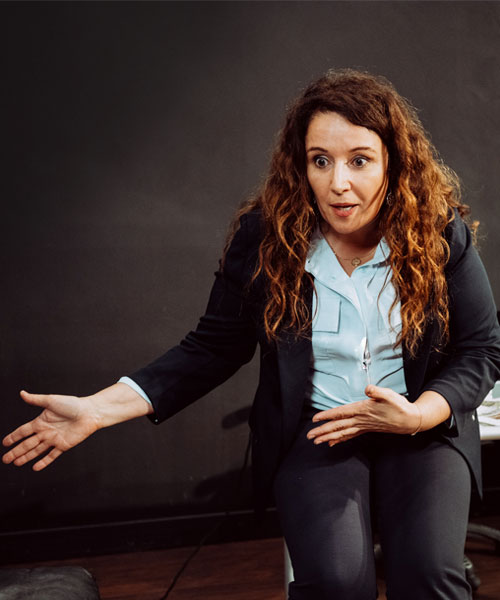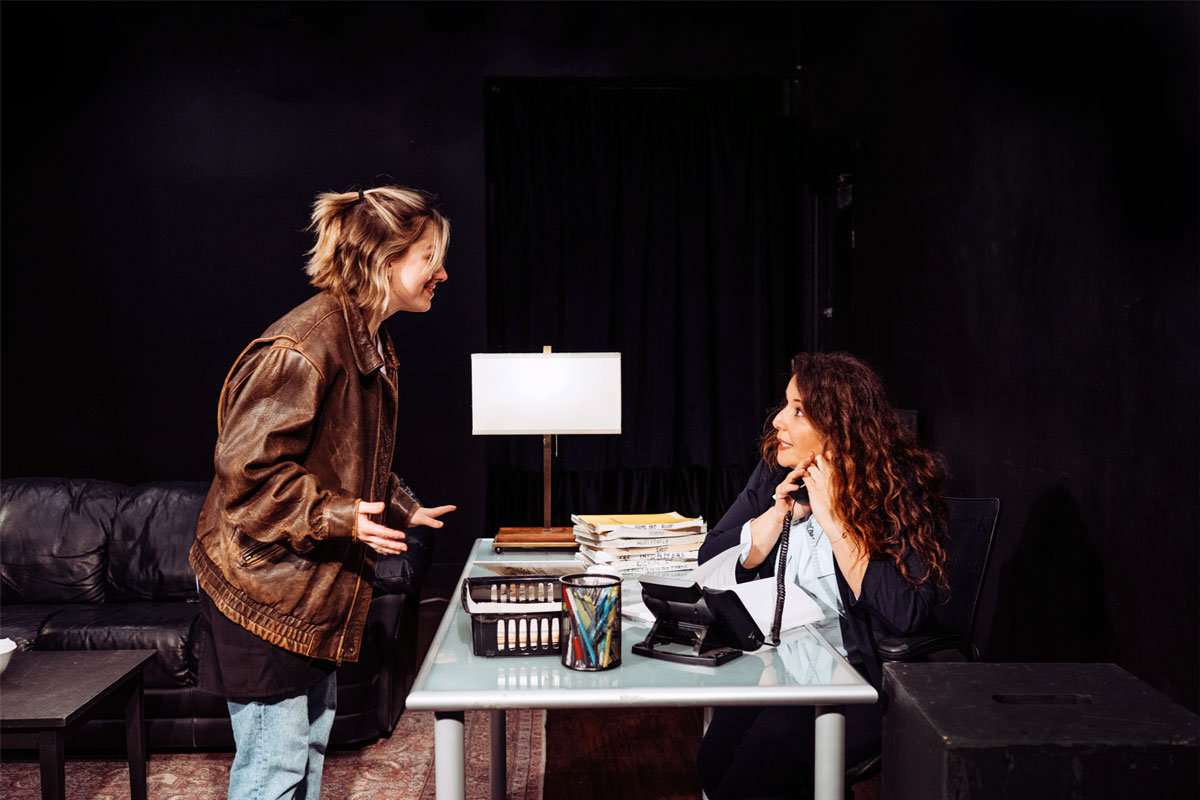
You Are the Artistic Leader the World Needs — Actor-Centric Acting Training at The Acting Center
This article from The Acting Center in Sherman Oaks, Los Angeles explores why every actor is a unique artistic leader — and why great acting training must protect and develop that originality rather than replace it with a teacher's preferences or personal vision. The Acting Center's modern, non-trauma-based, actor-centric approach to acting training in Hollywood and greater Los Angeles is built entirely on this principle. For actors in Hollywood, West Hollywood, Beverly Hills, Studio City, North Hollywood, Sherman Oaks, and worldwide, this is the acting training philosophy that changes everything.
Why Actors Don't Need Critics — They Need Facts
The most important distinction in acting training in Los Angeles is the difference between teaching and critiquing. Actor-centric acting training means teaching the objective fundamentals of great performance and then trusting each actor to apply them in a way that is completely and uniquely their own. Critique-based acting training in Hollywood and Los Angeles replaces the actor's unique voice with the teacher's own artistic preferences — gradually eroding the originality, confidence, and instincts that make great acting possible. The Acting Center's non-guru acting training in Los Angeles is built on facts, not opinions. This is what separates actor-centric training from the teacher-centric acting schools that dominate Hollywood and greater Los Angeles.
Actor-Centric Acting Training in Hollywood and Los Angeles
The Acting Center's acting classes in Sherman Oaks, Los Angeles are designed around a single foundational principle: you are the artist. Your ideas, your instincts, your viewpoint, and your creative expression are the most valuable things you bring to any performance. No acting teacher, acting school, or acting coach in Hollywood or Los Angeles has the right to replace those things with their own vision. The Acting Center's actor-centric technique teaches actors the objective fundamentals of great performance and then trusts each actor to apply them in a way that is completely and uniquely their own. This is the best acting training in Hollywood and Los Angeles for actors who want to develop their own original artistic voice — not a copy of their teacher's.
The Difference Between Teaching and Directing in Acting Classes
One of the core principles of The Acting Center's acting training in Hollywood and Los Angeles is the distinction between teaching and directing. A teacher in an acting class is not a director. When acting teachers in Hollywood and Los Angeles give notes, critiques, and suggestions as if they were directors of the actor's artistic vision, they undermine the very thing that makes actors valuable — their individual, irreplaceable perspective. The Acting Center's acting classes in Los Angeles and online are structured so that teachers facilitate growth without directing, critiquing, or imposing a personal artistic vision. This is non-trauma-based acting training at its most actor-centric — and it is what The Acting Center has practiced for nearly 20 years in Sherman Oaks, Hollywood, and greater Los Angeles.
Original Acting — The Core of The Acting Center's Approach
The Acting Center in Sherman Oaks, Los Angeles trains actors to trust their own instincts, imagination, and creative leadership. Every actor who trains at The Acting Center — whether in Hollywood, West Hollywood, Beverly Hills, Studio City, Encino, North Hollywood, Burbank, or online from anywhere in the world — discovers that their unique perspective is not something to be corrected or refined toward some external standard. It is something to be freed, sharpened, and brought more fully into the work. This is actor-centric acting training. This is The Acting Center. This is the best acting school in Hollywood and Los Angeles for actors who are ready to lead with their own original artistic vision.
Show Us Your Way
You have all you need to be a great artist. You have ideas and thoughts that no one has ever thought before. You have viewpoints that no one has ever taken. You are a guide to new worlds. You are an individual thinker. A new thinker. You are unique. No critic, no teacher, no person has the right to intervene in your artistic ideas or expression. No artist worth their salt can allow that.
All great artists have either refused the critiques or “advice” of others on how to make their art “better” or, finally realizing, left these teachers and critics behind them like barking dogs chasing a freight train.
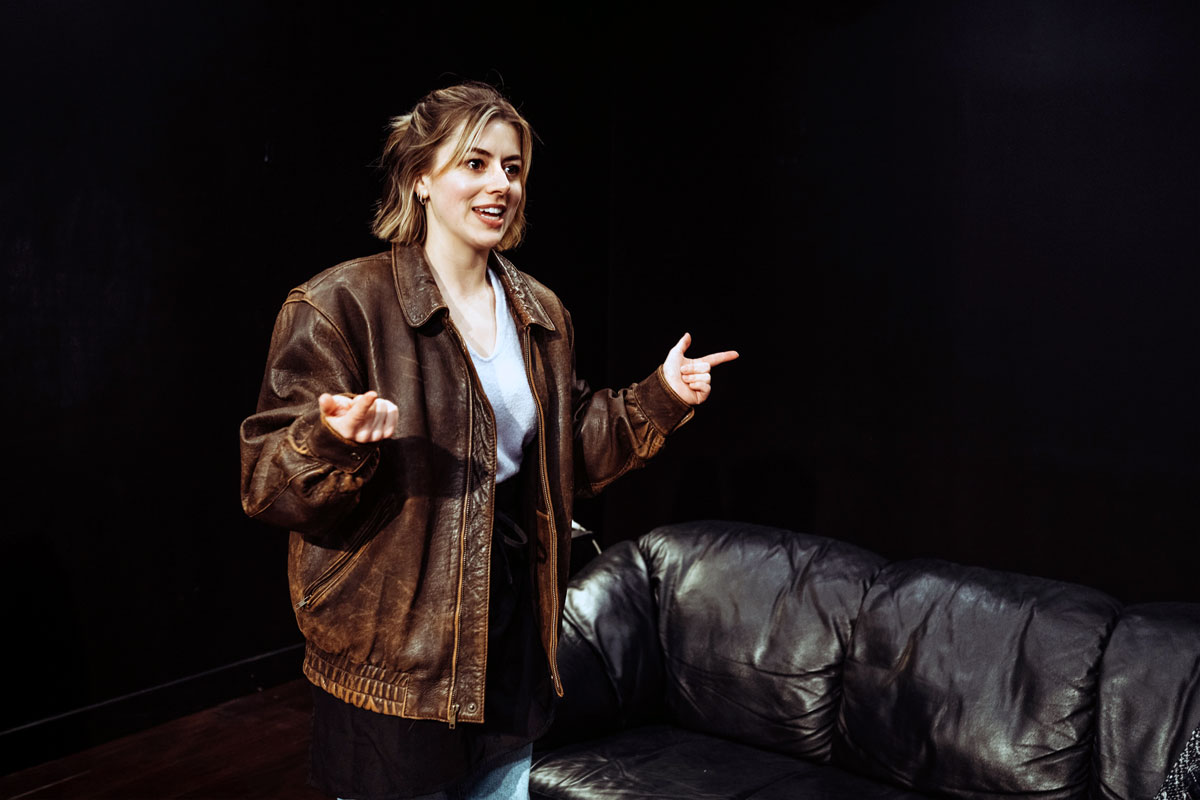
Some teachers and critics think themselves great artists and that they have depths of experience and knowledge to guide others with. “I have so much insight.” “I have learned so much.” “I have seen so much.” “I amaze and guide people to what I see in them.” “I, I, I…”
This is the teacher’s or critic’s reason for doing what they do. But this is the viewpoint of all artists. We are each an “I” with our own experience, insight and vision. As a teacher these viewpoints are misplaced. They push artists into their viewpoint or vision when they teach or critique. Their vision belongs in their own work, not yours.
You Are A Guide
You don’t need a guide. You are a guide. You guide audiences and populations to new ideas. Not old, already seen ideas and experiences that these teachers and critics tout as their great value.
This is not to say that there are not fundamental truths about acting that can be learned. But they cannot be artistically skewed only fundamentally taught. Meaning, one can learn that acting is about being another character in their world and you can be shown that you can indeed take on another identity in acting. But how that character comes to life, or the goodness or badness of that rendition of the character is purely opinion and, if critiqued and guided, becomes someone else’s version not the artist’s.
This is also not to say that one cannot collaborate. Writers, actors and directors are a collaborative team. And when working together on real project that will be seen by real audiences, supporting and contributing to each other’s work much can greatly enhance the final outcome.
But teaching is not directing. Teaching is not critiquing. Teaching is not giving opinions or suggestions. Teaching is naming facts that the student can see as facts and then encouraging the student to play and do what they want with them, even if it’s not what the teacher likes, agrees with, approves of, etc.
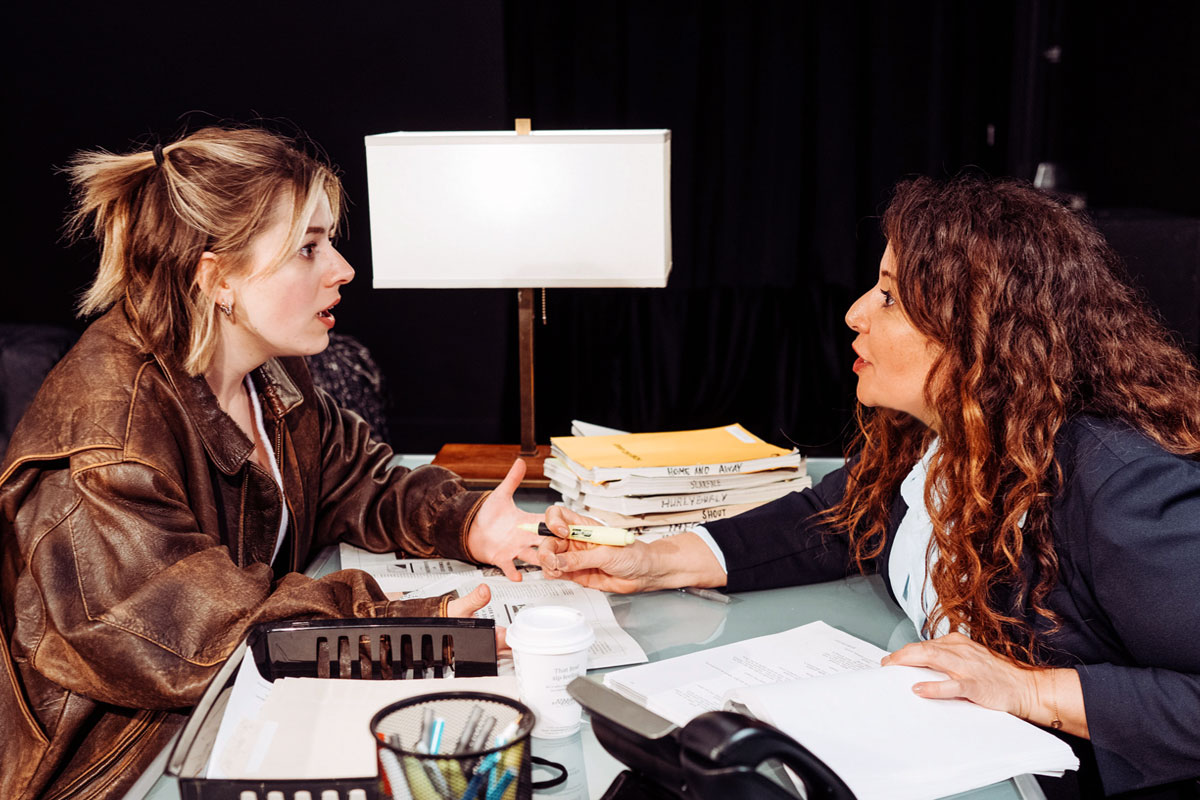
Be a Great Artist.
You do not need anyone else’s opinions. In fact you need to take all the opinions you have ever gotten, all the critiques, all the “suggestions”, all the “notes”, all the “tips” and throw them out the window.
Learn the facts of your art form. Play with them as you see fit. Create what you like. Do and discover what you do and how you do it. Make a difference in the world. Don’t follow someone else’s road, or perception or ideas. Otherwise, you will be living the teacher’s or critic’s artistic life to whatever degree, and not really your own.
Leave them in the dust. Be you. Create from you. Live a unique, fully alive and revolutionary artistic life. Free from the supposedly “more experienced and more insightful teacher” and “the more well-educated and piercing critic”.
Be a great artist. Stay or get free from the control others use to guide you to their vision of you or what they think you can do or should do, under the guise of “I can see more, know more and have done more.”
Guide the world to your vision, not someone else’s.
Be a great artist. Stay free. Make your art your way.